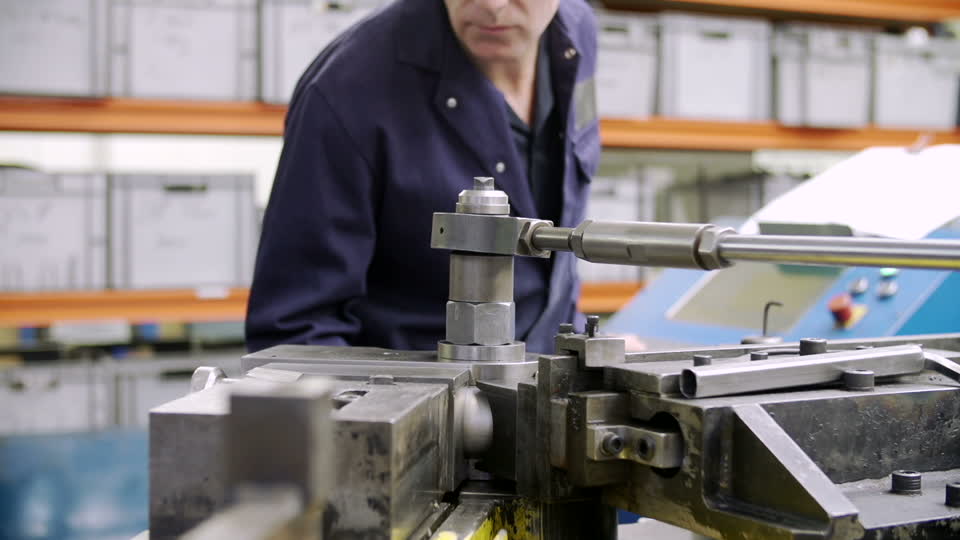
Training Mechanical Testing of Materials


Content :

  • Purpose of Testing Physical Properties of Materials;
  • Mechanical Testing Machines;
  • Tension Test;
  • Compression Test.
    Transverse or Beam Test;
  • Shear and Torsion Tests;
  • Hardness Testing, Impact Testing;
  • Miscellaneous Tests for Ductile Materials;
  • Testing of Nonmetals.

Fasilitas Yang Diperoleh

  • Lokasi Training di Hotel Bintang 3-5
  • Ruang Pelatihan Full AC, Toilet dan Musholla
  • Perlengkapan Visual LCD Proyektor, & Whiteboard
  • Modul / Handout(Hard Copy & Soft Copy)
  • Training Kit (Co-Card, Bolpoin, & Buku Catatan)
  • 1x Makan Siang dan 2x Coffee Break (Snack)
  • Penjemputan Bandara Hotel (Pulang-Pergi selama pelatihan)
  • Basement Tempat Parkir Motor dan Mobil yang Aman
  • Akses Internet Wireless
  • Smoking Area.
  • Sertifikat Keikutsertaan Training
  • Merchandise menarik dari Duta Pro Training & Consulting
  • Konsultasi dengan Instruktur/Narasumber setelah Pelatihan

Biaya Training

  • Rp 6.800.000,- / Peserta (termasuk penginapan, minimal 2 peserta)

Lokasi Training di Yogyakarta

Keterangan

  1. Jumlah Peserta dapat memperngaruhi biaya training.
  2. Biaya dan Lokasi diatas hanya untuk Private Training dan Public Training, untuk In House Training penawarannya dapat menghubungi kami dilink berikut (kontak kami).
  3. Jumlah peserta, jadwal training dan lokasi training dapat menyesuaikan permintaan.
  4. Pemintaan lokasi yang diluar daftar diatas dapat menghubungi kontak Marketing Kami.

Dapatkan Penawaran Harga Training Terbaik dari Kami!.

Untuk melihat jadwal pelatihan ini kunjungi Jadwal Training Update dan jika ingin mendaftar pelatihan public atau online training ini, silakan isi form di Formulir Pendaftaran.
 

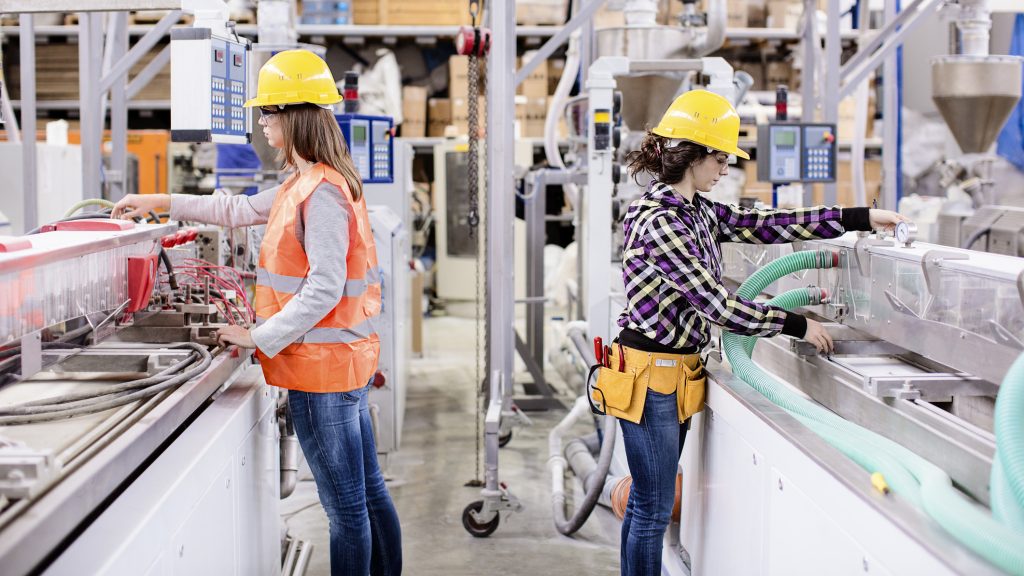
Training Basic Reliability Engineering
Factory. Shallow DOF. Developed from RAW; retouched with special care and attention; Small amount of grain added for best final impression. 16 bit Adobe RGB color profile.

Audience Profile

Asset owners, Asset Managers, Engineers, Planners, Trades people, Operators, Finance Managers, Safety Officers and all those who contribute in their roles of first-line (operators and maintainers) and second-line (engineering, designers, logistics, admin, workshops, etc.) asset managers to asset performance.


Course Objectives

To provide the participants with:

  • the knowledge, understanding and skills to perform reliability analyses to optimise the quality and quantity of asset outputs (revenue), minimise risk and the use of inputs (costs);
  • knowledge for the most effective and efficient design, operation and maintenance of assets;
  • methods and examples to assist with the easy implementation of the various technique and achieving the changes espoused in the theory.


What makes this course different?

We provide a practical approach and provide many examples that assist in understanding and implementing the various techniques, without covering an overwhelming variety and depth of techniques of which a small percentage is needed. We also provide exercises that further assist in understanding the various techniques.


OUTLINE

  1. Reliability Engineering Explained
  • Historic development of reliability engineering
  • What is Reliability Engineering?
  • What are the objectives and goals of reliability engineering
  • How does reliability engineering link to asset management?
  • What are the benefits of reliability engineering?
  • Why should you consider using reliability engineering?
  • What is the reliability engineering process?
  • How should you implement reliability engineering?
  1. What Are the Reliability Principles?
  • Introduction
  • How does quality compare to reliability?
  • How does reliability link to Life Cycle Costs?
  • How to design for mechanical reliability?
  • What are the effects of installation on mechanical reliability?
  • What are the effects of operability on mechanical reliability?
  • What are the effects of maintainability on mechanical reliability?
  • Which reliability measures are available?
  • Quality
  • Reliability, availability and maintainability
  • Main outcomes of chapter two
  • Exercise 1
  1. What Are Asset Faults and Failures?
  • What are faults and failures?
  • What are the six patterns of failure?
  • What is wear-out failure?
  • What is the bathtub curve or hazard function?
  • What is slowly aging?
  • What is the best new failure mode?
  • What is random failure?
  • What is wear-in failure?
  • What are characteristics of age-related failures?
  • What are characteristics of non-age-related failures?
  • Failure analysis
  • What data do you use in maintenance analysis?
  • What is the generic parts count method?
  • What data to collect?
  • What is the failure rate?
  • How to work out the mean life of items?
  • Main outcomes of chapter three
  • Exercise 2
  1. How to Perform Descriptive Data Analysis?
  • What is the purpose of quantitative techniques?
  • What decisions do you make in maintenance?
  • Classification of maintenance problems
  • Purchasing decisions
  • Replacement decisions
  • Inspection decisions
  • Overhaul and repair decisions
  • Resourcing decisions
  • How to analyse failure data with descriptive statistics?
  • What is tabulation?
  • How to graphical represent data?
  • How to perform trend analysis?
  • What are failure distributions?
  • Main outcomes of chapter four
  1. What Can You Do with Statistics?
  • Numerical characterisation of data
  • Which measures of central tendency are available?
  • Which measures of variation can you use?
  • What is inferential statistics?
  • What are populations and samples?
  • How to determine confidence levels?
  • Main outcomes of chapter five
  • Exercise 3
  1. What Is Probability
  • Introduction
  • What are permutations and combinations?
  • What are probability and probability theorems?
  • What is probability?
  • Which symbols appear in probability theory?
  • What are the probability axioms and theorems/
  • Main outcomes of chapter six
  • Exercise 4
  1. What Are Probability Distributions?
  • General cautions
  • Probability distributions
  • What are the discrete distributions?
  • What are the continuous distributions?
  • Which distribution to choose?
  • Main outcomes of chapter seven
  • Exercise 5
  1. What Is the Weibull Distribution?
  • How to perform a Weibull analysis?
  • What is the Weibull slope or shape parameter ß?
  • What is the scale parameter or characteristic life?
  • What is the location parameter or minimum life?
  • How to use Weibull distribution graph paper?
  • A large sample Weibull analysis
  • How to deal with grouped data?
  • What is the plotting age for grouped data?
  • How to rank data?
  • Large sample Weibull analysis 2
  • Small sample Weibull analysis
  • How to calculate Weibull results?
  • What do you do with suspended items?
  • Main outcomes of chapter eight
  • Exercise 6
  1. How to Calculate System Reliability?
  • What are static reliability models?
  • What are functional and reliability block diagrams?
  • Conventions
  • How to work out series systems?
  • System reliability
  • The equivalent part probability pc
  • Series of identical parts
  • Grouped parts or part families
  • Series systems using the failure rate 􀀛
  • How to work out parallel or redundant systems?
  • System reliability
  • The MTBF for parallel systems
  • How to work out an active parallel configuration with partial redundancy?
  • How to work put inactive parallel or stand-by redundancy?
  • Perfect changeover and identical parts
  • Imperfect changeover with identical parts
  • Perfect changeover with n operating components and n stand-by’s
  • What are the effect of parallel units?
  • How to work out parallel and series combinations?
  • Low level or part redundancy
  • High level or system redundancy
  • Reliability analysis with system reduction
  • Writing formulas
  • Main outcomes of chapter nine
  • Exercise 7.
  1. What Are Industrial Applications of Reliability Analysis?
  • Introduction
  • What types of reliability analyses can you use?
  • What are reliability audits?
  • What are reliability reviews?
  • What are reliability assessments?
  • Which reliability analysis techniques should you use?
  • What are reliability aspects in contracting?
  • Accurate reliability specification
  • Avoid ambiguity in contracts
  • What is reliability testing?
  • Test terminates once a pre-assigned number of failures occur
  • Test terminated at pre-assigned time
  • Successive reliability testing
  • ‘Testing’ with the binomial distribution
  • Main outcomes of chapter ten
  • Exercise 8
  1. How to Manage Risk?
  • What is risk analysis and management?
  • What is risk?
  • What is the definition and measurement of risk?
  • Risk statistics
  • What risk analysis techniques are available?
  • What is the probabilistic risk assessment methodology?
  • What are hazard & operability analyses?
  • At what time do you perform hazards and operability analyses?
  • How to perform the HazOps analysis?
  • The standard HazOps sheet
  • The extended HazOps analysis sheet
  • What are the benefits and disadvantages of HazOps?
  • Is a HazOps analysis consistent?
  • What are time-sequence models?
  • What are the gate/logic and event/terminal symbols?
  • What are fault or success trees?
  • What are event trees?
  • What are cause-consequence analysis?
  • What are logic trees?
  • What are cause and effect diagrams?
  • Main outcomes of chapter eleven
  • Exercise 9

Fasilitas Yang Diperoleh

  • Lokasi Training di Hotel Bintang 3-5
  • Ruang Pelatihan Full AC, Toilet dan Musholla
  • Perlengkapan Visual LCD Proyektor, & Whiteboard
  • Modul / Handout(Hard Copy & Soft Copy)
  • Training Kit (Co-Card, Bolpoin, & Buku Catatan)
  • 1x Makan Siang dan 2x Coffee Break (Snack)
  • Penjemputan Bandara Hotel (Pulang-Pergi selama pelatihan)
  • Basement Tempat Parkir Motor dan Mobil yang Aman
  • Akses Internet Wireless
  • Smoking Area.
  • Sertifikat Keikutsertaan Training
  • Merchandise menarik dari Duta Pro Training & Consulting
  • Konsultasi dengan Instruktur/Narasumber setelah Pelatihan

Biaya Training

  • Rp 6.800.000,- / Peserta (termasuk penginapan, minimal 2 peserta)

Lokasi Training di Yogyakarta

Keterangan

  1. Jumlah Peserta dapat memperngaruhi biaya training.
  2. Biaya dan Lokasi diatas hanya untuk Private Training dan Public Training, untuk In House Training penawarannya dapat menghubungi kami dilink berikut (kontak kami).
  3. Jumlah peserta, jadwal training dan lokasi training dapat menyesuaikan permintaan.
  4. Pemintaan lokasi yang diluar daftar diatas dapat menghubungi kontak Marketing Kami.

Dapatkan Penawaran Harga Training Terbaik dari Kami!.

Untuk melihat jadwal pelatihan ini kunjungi Jadwal Training Update dan jika ingin mendaftar pelatihan public atau online training ini, silakan isi form di Formulir Pendaftaran.



Training Oil and Gas Firing for Steam Generation

Course Outline :

  1. Fuels;
  2. Boiler Elements;
  3. Oil Firing;
  4. Gas Firing;
  5. Operating Procedures;
  6. Start-Up and Shutdown Procedures;
  7. Troubles and Remedies; Maintenance Lighters;
  8. Safety and Efficiency

Fasilitas Yang Diperoleh

  • Lokasi Training di Hotel Bintang 3-5
  • Ruang Pelatihan Full AC, Toilet dan Musholla
  • Perlengkapan Visual LCD Proyektor, & Whiteboard
  • Modul / Handout(Hard Copy & Soft Copy)
  • Training Kit (Co-Card, Bolpoin, & Buku Catatan)
  • 1x Makan Siang dan 2x Coffee Break (Snack)
  • Penjemputan Bandara Hotel (Pulang-Pergi selama pelatihan)
  • Basement Tempat Parkir Motor dan Mobil yang Aman
  • Akses Internet Wireless
  • Smoking Area.
  • Sertifikat Keikutsertaan Training
  • Merchandise menarik dari Duta Pro Training & Consulting
  • Konsultasi dengan Instruktur/Narasumber setelah Pelatihan

Biaya Training

  • Rp 6.800.000,- / Peserta (termasuk penginapan, minimal 2 peserta)

Lokasi Training di Yogyakarta

Keterangan

  1. Jumlah Peserta dapat memperngaruhi biaya training.
  2. Biaya dan Lokasi diatas hanya untuk Private Training dan Public Training, untuk In House Training penawarannya dapat menghubungi kami dilink berikut (kontak kami).
  3. Jumlah peserta, jadwal training dan lokasi training dapat menyesuaikan permintaan.
  4. Pemintaan lokasi yang diluar daftar diatas dapat menghubungi kontak Marketing Kami.

Dapatkan Penawaran Harga Training Terbaik dari Kami!.

Untuk melihat jadwal pelatihan ini kunjungi Jadwal Training Update dan jika ingin mendaftar pelatihan public atau online training ini, silakan isi form di Formulir Pendaftaran.
 

Training Testing Solid and Liquid Boiler Fuels


Course Outline

  1. Sampling Solid Fuels;
  2. Methods of Sampling;
  3. Determining and Calculating Moisture Content;
  4. Laboratory Testing of Samples;
  5. Classification and Basic Characteristics of Liquid Fuels;
  6. Metering and Tank Gaging;
  7. Collection of Samples;
  8. ampling Methods and Devices;
  9. Laboratory Processes.

Fasilitas Yang Diperoleh

  • Lokasi Training di Hotel Bintang 3-5
  • Ruang Pelatihan Full AC, Toilet dan Musholla
  • Perlengkapan Visual LCD Proyektor, & Whiteboard
  • Modul / Handout(Hard Copy & Soft Copy)
  • Training Kit (Co-Card, Bolpoin, & Buku Catatan)
  • 1x Makan Siang dan 2x Coffee Break (Snack)
  • Penjemputan Bandara Hotel (Pulang-Pergi selama pelatihan)
  • Basement Tempat Parkir Motor dan Mobil yang Aman
  • Akses Internet Wireless
  • Smoking Area.
  • Sertifikat Keikutsertaan Training
  • Merchandise menarik dari Duta Pro Training & Consulting
  • Konsultasi dengan Instruktur/Narasumber setelah Pelatihan

Biaya Training

  • Rp 6.800.000,- / Peserta (termasuk penginapan, minimal 2 peserta)

Lokasi Training di Yogyakarta

Keterangan

  1. Jumlah Peserta dapat memperngaruhi biaya training.
  2. Biaya dan Lokasi diatas hanya untuk Private Training dan Public Training, untuk In House Training penawarannya dapat menghubungi kami dilink berikut (kontak kami).
  3. Jumlah peserta, jadwal training dan lokasi training dapat menyesuaikan permintaan.
  4. Pemintaan lokasi yang diluar daftar diatas dapat menghubungi kontak Marketing Kami.

Dapatkan Penawaran Harga Training Terbaik dari Kami!.

Untuk melihat jadwal pelatihan ini kunjungi Jadwal Training Update dan jika ingin mendaftar pelatihan public atau online training ini, silakan isi form di Formulir Pendaftaran.


Training Basic Operasion for PLTA Operator


PENDAHULUAN

Operasional sistem pembangkitan membutuhkan personal yang cakap, memahami system yang dikelola dan mempunyai wawasan keilmuan yang dibutuhkan untuk mengeperasikan system PLTA.

Sistem Manajemen Perusahaan yang sudah memiliki berbagai SOP (Standard Operating Procedure) untuk berbagai level cenderung lebih mudah dalam melakukan proses coaching dan mentoring untuk personal yang mempunyai posisi dan jabatan baru dalam struktur organisasi perusahaan tersebut. Akan tetapi jika SOP ini terkait dengan system yang mempunyai resiko yang tinggi tentunya proses coaching dan mentoring harus dilakukan secara intensif dan berkelanjutan. Seperti halnya didalam perusahaan Pembangkitan Listrik Tenaga Air (PLTA), untuk dapat menempati posisi dan jabatan baru level operasional, tentunya membutuhkan pengetahuan dan pemahaman yang komprehensif tentang sistem yang akan ditangani/ dikelola. Hal ini sangat penting karena karena skill personal, secara terknis (tata laksana kerja, dasar operaional, teori dasar sistem PLTA, dll)  harus dipersiapkan dan diberikan agar siap untuk menangani berbagai hal terkait dengan operasional sebuah sitem PLTA.

Untuk itu, training Basic Operasion PLTA Operator menjadi dasar untuk mengawali personil yang kan dilibatkan dalam operasional system PLTA seperti di PT. Indonesia Power Unit Bisnis Pembangkitan Mrica, Jawa Tengah.

Dengan ini, DNH Talenta Consulting, Yogyakarta, menawarkan program Training Basic Operasion for PLTA Operator kepada PT. Indonesia Power Unit Bisnis Pembangkitan Mrica  dikhususkan bagi personal yang akan menangani operasional lapangan di PLTA. Kami adalah sebuah lembaga training yang telah mempunyai pengalaman dan reputasi secara nasional dalam bidang pelatihan SDM bagi perusahaan dan pemerintah daerah.


TUJUAN DAN MANFAAT PROGRAM TRAINING

Program ini dilaksanakanakan agar peserta :

  1. Memahami operasional dasar di dalam sistem PLTA
  2. Menguasahi teknik-teknik dasar terkait dengan pengelolaan sistem PLTA
  3. memahami cara dan prinsip kerja komponen sistem PLTA
  4. Mempunyai ketrampilan dasar yang dibutuhkan dalam pengoperasian sistem PLTA
  5. Mengetahui berbagai masalah dan resiko sistem PLTA


MATERI TRAINING

  1. Pengantar Sistem Pembangkitan
  2. Sistem Pembangkit Listrik Tenaga Air
  3. Prinsip Dasar Konversi Energi
  4. Komponen-Komponen Sistem PLTA
  5. Prinsip Dasar Turbin Air
  6. Prinsip Dasar Generator
  7. Prinsip Dasar Transformator
  8. Prinsip Dasar Sistem Transmisi
  9. Prinsip Kerja Sistem Automasi dalam Pembangkitan
  10. Aspek Keselamatan dan Kesehatan Kerja dalam Sistem Pembangkitan


SASARAN TRAINING

Pelatihan ini diperuntukkan bagi personal yang akan ditempatkan sebagai operator lapangan di dalam sistem PLTA


Fasilitas Yang Diperoleh

  • Lokasi Training di Hotel Bintang 3-5
  • Ruang Pelatihan Full AC, Toilet dan Musholla
  • Perlengkapan Visual LCD Proyektor, & Whiteboard
  • Modul / Handout(Hard Copy & Soft Copy)
  • Training Kit (Co-Card, Bolpoin, & Buku Catatan)
  • 1x Makan Siang dan 2x Coffee Break (Snack)
  • Penjemputan Bandara Hotel (Pulang-Pergi selama pelatihan)
  • Basement Tempat Parkir Motor dan Mobil yang Aman
  • Akses Internet Wireless
  • Smoking Area.
  • Sertifikat Keikutsertaan Training
  • Merchandise menarik dari Duta Pro Training & Consulting
  • Konsultasi dengan Instruktur/Narasumber setelah Pelatihan

Biaya Training

  • Rp 6.800.000,- / Peserta (termasuk penginapan, minimal 2 peserta)

Lokasi Training di Yogyakarta

Keterangan

  1. Jumlah Peserta dapat memperngaruhi biaya training.
  2. Biaya dan Lokasi diatas hanya untuk Private Training dan Public Training, untuk In House Training penawarannya dapat menghubungi kami dilink berikut (kontak kami).
  3. Jumlah peserta, jadwal training dan lokasi training dapat menyesuaikan permintaan.
  4. Pemintaan lokasi yang diluar daftar diatas dapat menghubungi kontak Marketing Kami.

Dapatkan Penawaran Harga Training Terbaik dari Kami!.

Untuk melihat jadwal pelatihan ini kunjungi Jadwal Training Update dan jika ingin mendaftar pelatihan public atau online training ini, silakan isi form di Formulir Pendaftaran.


Training Rehability Centered Maintenance


Deskripsi

Tindakan perawatan (maintenance) sangatlah diperlukan untuk mempertahankan performansi dari peralatan atau mesin. Bidang maintenance menghadapi tantangan yang semakin besar sejalan dengan tingginya tuntutan ketersediaan dan keandalan asset fisik, safety yang lebih baik, kualitas produk yang semakin tinggi, tidak mencemari lingkungan, umur asset yang lebih panjang dan tuntutan efektifitas biaya yang sangat baik. Reliability Centered Maintenance menawarkan suatu pendekatan yang baru dalam Maintenance Development Program untuk suatu industri. RCM saat ini
merupakan tools yang sudah lazim di perusahaan seperti di industri
Nuklir, Perorangan, Minyak dan Gas serta Petrokimia.


Materi Pelatihan Rehability Centered Maintenance

  1. Course Overview
  2. Reliability, Maintainability and Availability; Concept and
    Application
  3. Basic Analytical Function in Reliability
  4. Reliability Bath Tub Curve
  5. Failure Report and Correction System and Data Acquisition
  6. Exponential and Weibull Distribution
  7. Reliability and Maintenance
  8. Development of Maintenance system
  9. Preventive Maintenance definition and Structure
  10. Reliability Centered Maintenance Approach
  11. RCM Methodology (System Function, System Block Diagram,
    System description, Function and Functional failure, FMEA, LTA,
    Task Selection)
  12. Using Quantitative Reliability data
  13. Discussion & Exercise

Fasilitas Yang Diperoleh

  • Lokasi Training di Hotel Bintang 3-5
  • Ruang Pelatihan Full AC, Toilet dan Musholla
  • Perlengkapan Visual LCD Proyektor, & Whiteboard
  • Modul / Handout(Hard Copy & Soft Copy)
  • Training Kit (Co-Card, Bolpoin, & Buku Catatan)
  • 1x Makan Siang dan 2x Coffee Break (Snack)
  • Penjemputan Bandara Hotel (Pulang-Pergi selama pelatihan)
  • Basement Tempat Parkir Motor dan Mobil yang Aman
  • Akses Internet Wireless
  • Smoking Area.
  • Sertifikat Keikutsertaan Training
  • Merchandise menarik dari Duta Pro Training & Consulting
  • Konsultasi dengan Instruktur/Narasumber setelah Pelatihan

Biaya Training

  • Rp 6.800.000,- / Peserta (termasuk penginapan, minimal 2 peserta)

Lokasi Training di Yogyakarta

Keterangan

  1. Jumlah Peserta dapat memperngaruhi biaya training.
  2. Biaya dan Lokasi diatas hanya untuk Private Training dan Public Training, untuk In House Training penawarannya dapat menghubungi kami dilink berikut (kontak kami).
  3. Jumlah peserta, jadwal training dan lokasi training dapat menyesuaikan permintaan.
  4. Pemintaan lokasi yang diluar daftar diatas dapat menghubungi kontak Marketing Kami.

Dapatkan Penawaran Harga Training Terbaik dari Kami!.

Untuk melihat jadwal pelatihan ini kunjungi Jadwal Training Update dan jika ingin mendaftar pelatihan public atau online training ini, silakan isi form di Formulir Pendaftaran.


Training Practical Operation, Maintenance & Testing of Diesel Power Generating Plants
Business colleagues working at a busy open plan office; Shutterstock ID 656511280; Departmental Cost Code : 162800; Project Code: GBLMKT; PO Number: GBLMKT; Other:


YOU WILL LEARN HOW TO:

At the end of this workshop, you will gain valuable know-how related to diesel generating plants on:

  • Combustion processes and engine operation principles
  • Types and applications
  • Fuel and lube oil requirements
  • ISO ratings and terminologies
  • Engine components and their functions
  • Generator principles and construction
  • Plant layout requirements for single and multiple units
  • Associated control panels and operation
  • Testing and commissioning procedures
  • Plant performance troubleshooting techniques
  • Good maintenance practices


WHO SHOULD ATTEND:

  • Mechanical Engineers
  • Instrumentation and Control Engineers
  • Electrical Engineers
  • Project Engineers
  • Maintenance Engineers
  • Power System Protection and Control Engineers
  • Building Service Designers
  • Systems Planners and Managers
  • Electrical and Instrumentation Technicians


THE WORKSHOP

Diesel generating plants have an important role in power plants as well as in industries and commercial installations to meet continuous and emergency standby power requirements for day to-day use. A good knowledge of basic operation principles, layout requirements, associated components and maintenance practices for diesel power plants help the career development of many engineers and technicians in today’s demanding world. Whatever your role in industry-designer, purchase engineer, installation contractor or maintenance engineer, a solid knowledge of diesel power plants is always useful. This workshop is designed to familiarize you with various aspects of diesel generating

power plants for practical application. Examples will be taken from various industrial standard practices regarding the construction, layouts, application and maintenance procedures followed for reliable and trouble free operation of diesel power plants. The various tests to be conducted during commissioning and maintenance checks to ensure proper and long term operation of diesel power plants will also be covered in the workshop. Some essential systems such as fuel oil layouts, lube oil requirements and control circuitry will also be discussed.

THE PROGRAM


  1. INTRODUCTION
  • Power generation methods
  • AC power vs DC power
  • Single phase and three phase AC power
  • Prime movers
  • Power plant types
  • Diesel power plants
  • Advantages of diesel power generation
  • Engine types
  1. DIESEL TECHNOLOGY AND CLASSIFICATIONS
  • Basic engine processes
  • Reciprocating engines
  • Spark ignition engines
  • Diesel engines
  • Dual fuel engines
  • Speed classifications
  • Service classifications
  1. BASIC ENGINE DESIGN AND RATINGS
  • Design characteristics and formulas
  • Turbo charger
  • Ambient conditions
  • ISO ratings
  • Performance and efficiency
  • Efficiency enhancements
  • Engine speed
  • Fuel combustion methods
  1. FUEL OIL SYSTEMS AND LAYOUTS
  • Crude oil
  • HSD, LDO and heavy fuels
  • Economics of fuel selection
  • Pressure and temperature characteristics
  • Viscosity
  • Specific heat and temperature
  • Specific fuel consumption
  • Fuel filters and heaters
  • Fuel nozzles and igniters
  • Emission control
  • Storage requirements
  • Typical fuel system layouts and components
  1. LUBE OIL SYSTEMS
  • Lube oil specification
  • Lube oil consumption in diesel engines
  • Typical lube oil system layouts
  • Viscosity and temperature
  • Lube oil filters and heaters
  1. GENERATORS
  • Principle of operation
  • Major components (field coils, commutator, DC output, regulator, armature, rotating diodes)
  • Generator types
  • Low voltage and medium voltage generators
  • Typical circuitry
  • Load types and generator sizing
  • System grounding methods
  • Faults and protection
  • Performance evaluation and testing
  1. DIESEL GENERATING SETS
  • Coupling requirements
  • Skid mounting
  • Layout requirements
  • Paralleling of multiple DG sets
  • Standard control panels
  • Interconnections
  1. OTHER COMPONENTS
  • Starting methods
  • Starting characteristics
  • Battery sizing
  • Step load requirements
  • Standby requirements
  • Auto start and auto transfer schemes
  • Auto transfer switches
  1. DG PLANT LAYOUTS
  • Industrial applications
  • Power generation plant applications
  • Single and multiple sets
  • Fuel storage requirements
  • Air intake system
  • Exhaust system
  • Auxiliary power requirements
  • Typical power schemes
  1. TESTING AND COMMISSIONING
  • Factory tests
  • Pre-commissioning checks and tests
  • Performance monitoring
  • Fuel and lube oil consumption checks
  1. OPERATION AND MAINTENANCE
  • Safety requirements
  • Operation monitoring based on applications
  • Maintenance techniques
  • Spares and inventory management
  • Inspection
  • Engine overhaul and repair
  • Troubleshooting

Fasilitas Yang Diperoleh

  • Lokasi Training di Hotel Bintang 3-5
  • Ruang Pelatihan Full AC, Toilet dan Musholla
  • Perlengkapan Visual LCD Proyektor, & Whiteboard
  • Modul / Handout(Hard Copy & Soft Copy)
  • Training Kit (Co-Card, Bolpoin, & Buku Catatan)
  • 1x Makan Siang dan 2x Coffee Break (Snack)
  • Penjemputan Bandara Hotel (Pulang-Pergi selama pelatihan)
  • Basement Tempat Parkir Motor dan Mobil yang Aman
  • Akses Internet Wireless
  • Smoking Area.
  • Sertifikat Keikutsertaan Training
  • Merchandise menarik dari Duta Pro Training & Consulting
  • Konsultasi dengan Instruktur/Narasumber setelah Pelatihan

Biaya Training

  • Rp 6.800.000,- / Peserta (termasuk penginapan, minimal 2 peserta)

Lokasi Training di Yogyakarta

Keterangan

  1. Jumlah Peserta dapat memperngaruhi biaya training.
  2. Biaya dan Lokasi diatas hanya untuk Private Training dan Public Training, untuk In House Training penawarannya dapat menghubungi kami dilink berikut (kontak kami).
  3. Jumlah peserta, jadwal training dan lokasi training dapat menyesuaikan permintaan.
  4. Pemintaan lokasi yang diluar daftar diatas dapat menghubungi kontak Marketing Kami.

Dapatkan Penawaran Harga Training Terbaik dari Kami!.

Untuk melihat jadwal pelatihan ini kunjungi Jadwal Training Update dan jika ingin mendaftar pelatihan public atau online training ini, silakan isi form di Formulir Pendaftaran.


Training Corrosion of Metals

Description

This training will be describes in basic terms the causes and mechanisms of corrosion. Corrosion is defined as “the chemical or electrochemical reaction between a metal and its environment resulting in the loss of the material and its properties.” Types of corrosion are discussed and the basic principles behind the use of protective coatings and cathodic  protection for corrosion control are also covered. The strategies used in corrosion control by design are briefly discussed as well. This basic knowledge helps in understanding how protective coatings, cathodic protection, and other corrosion control methods can best be used as part of a total corrosion control program.

Corrosion is an electrochemical process that naturally occurs on most metals when they are exposed to aggressive environments. Rusting of steel in atmospheric or immersion conditions is a common example of corrosion. The electrochemical process

responsible for corrosion involves four components: an anode, a cathode, a metallic path, and an electrolyte. The rate of the overall corrosion reaction can be controlled by limiting the activity of any one of these components. There are many forms of corrosion,

which all depend on the activity of electrochemical cells, but differ in the location and distribution of attack. There are many ways to control corrosion. One way is to select materials that are resistant to attack in the specific exposure environment. Another is

to use cathodic protection and/or protective coatings. The application of protective coatings is one of the most important means of corrosion control. In most cases, the best way to control corrosion is to use a combination of two or more appropriate corrosion control methods.

Course Content

  1. Why Metals Corrode
  2. Immunity and Passivity
  3. The Mechanism of Corrosion
  4. Measuring Corrosion
  5. Forms of Corrosion
  6. Methods for Corrosion Control

Fasilitas Yang Diperoleh

  • Lokasi Training di Hotel Bintang 3-5
  • Ruang Pelatihan Full AC, Toilet dan Musholla
  • Perlengkapan Visual LCD Proyektor, & Whiteboard
  • Modul / Handout(Hard Copy & Soft Copy)
  • Training Kit (Co-Card, Bolpoin, & Buku Catatan)
  • 1x Makan Siang dan 2x Coffee Break (Snack)
  • Penjemputan Bandara Hotel (Pulang-Pergi selama pelatihan)
  • Basement Tempat Parkir Motor dan Mobil yang Aman
  • Akses Internet Wireless
  • Smoking Area.
  • Sertifikat Keikutsertaan Training
  • Merchandise menarik dari Duta Pro Training & Consulting
  • Konsultasi dengan Instruktur/Narasumber setelah Pelatihan

Biaya Training

  • Rp 6.800.000,- / Peserta (termasuk penginapan, minimal 2 peserta)

Lokasi Training di Yogyakarta

Keterangan

  1. Jumlah Peserta dapat memperngaruhi biaya training.
  2. Biaya dan Lokasi diatas hanya untuk Private Training dan Public Training, untuk In House Training penawarannya dapat menghubungi kami dilink berikut (kontak kami).
  3. Jumlah peserta, jadwal training dan lokasi training dapat menyesuaikan permintaan.
  4. Pemintaan lokasi yang diluar daftar diatas dapat menghubungi kontak Marketing Kami.

Dapatkan Penawaran Harga Training Terbaik dari Kami!.

Untuk melihat jadwal pelatihan ini kunjungi Jadwal Training Update dan jika ingin mendaftar pelatihan public atau online training ini, silakan isi form di Formulir Pendaftaran.
 

Training the Types of Corrosion

Description

Corrosion is a costly and potentially life threatening problem in any industry. Wherever there is metal the potential for a corrosive reaction exists. It is a natural part of nature, there is no escaping it. That doesn.t mean that we are doomed though. Through a careful analysis of the process and the design we can mitigate most of the costs of corrosion, both actual and potential, before the first pipe is in place.

The science of corrosion engineering is viewed by many as magic, or art, but once the basics of how a corrosion cell works and a little understanding of chemistry almost anyone can learn to decipher the clues to the causes of a corrosion problem.

Course Content

  1. Thermodynamic and Electrochemical Processes
  2. Types of Corrosion
  3. General Corrosion
  4. Galvanic Corrosion
  5. Crevice Corrosion
  6. Pitting
  7. Intergranular Corrosion
  8. Selective Leaching
  9. Erosion Corrosion
  10. Stress Corrosion Cracking

Fasilitas Yang Diperoleh

  • Lokasi Training di Hotel Bintang 3-5
  • Ruang Pelatihan Full AC, Toilet dan Musholla
  • Perlengkapan Visual LCD Proyektor, & Whiteboard
  • Modul / Handout(Hard Copy & Soft Copy)
  • Training Kit (Co-Card, Bolpoin, & Buku Catatan)
  • 1x Makan Siang dan 2x Coffee Break (Snack)
  • Penjemputan Bandara Hotel (Pulang-Pergi selama pelatihan)
  • Basement Tempat Parkir Motor dan Mobil yang Aman
  • Akses Internet Wireless
  • Smoking Area.
  • Sertifikat Keikutsertaan Training
  • Merchandise menarik dari Duta Pro Training & Consulting
  • Konsultasi dengan Instruktur/Narasumber setelah Pelatihan

Biaya Training

  • Rp 6.800.000,- / Peserta (termasuk penginapan, minimal 2 peserta)

Lokasi Training di Yogyakarta

Keterangan

  1. Jumlah Peserta dapat memperngaruhi biaya training.
  2. Biaya dan Lokasi diatas hanya untuk Private Training dan Public Training, untuk In House Training penawarannya dapat menghubungi kami dilink berikut (kontak kami).
  3. Jumlah peserta, jadwal training dan lokasi training dapat menyesuaikan permintaan.
  4. Pemintaan lokasi yang diluar daftar diatas dapat menghubungi kontak Marketing Kami.

Dapatkan Penawaran Harga Training Terbaik dari Kami!.

Untuk melihat jadwal pelatihan ini kunjungi Jadwal Training Update dan jika ingin mendaftar pelatihan public atau online training ini, silakan isi form di Formulir Pendaftaran.

 

Training Corrosion Mitigation

Description

It is common that in industrial sector, especially oil and gas industry, corrosion is one of operational problems to be properly handled. The financial loss due to corrosion from time to time is bigger and bigger. This must be integrally compensated with the protection of the problems. One must be aware that production efficiency improvement through maintenance cost reduction must be acquired. This could be proceeded by technology mastery, maintenance strategy application and proper corrosion protection. The negligence to this effort would lead to greater risk that must be born by the companies e.g. production shortfall, safety and environmental problems, bad company images, etc

Each oil and gas company in Indonesia has its own specific and various problems. The corrosion taking place in West Natuna, East Kalimantan, Irian and Java and other blocks in Indonesia is also in various types. In Indonesia, the produced fluid contain CO2 and H2S that drove the corrosion more seriously.

Course Content

  1. Microbiologically Induced Corrosion (MIC)
  2. Downhole or Tubing Corrosion
  3. Top of Line Corrosion
  4. Corrosion Inhibitor Selection

Fasilitas Yang Diperoleh

  • Lokasi Training di Hotel Bintang 3-5
  • Ruang Pelatihan Full AC, Toilet dan Musholla
  • Perlengkapan Visual LCD Proyektor, & Whiteboard
  • Modul / Handout(Hard Copy & Soft Copy)
  • Training Kit (Co-Card, Bolpoin, & Buku Catatan)
  • 1x Makan Siang dan 2x Coffee Break (Snack)
  • Penjemputan Bandara Hotel (Pulang-Pergi selama pelatihan)
  • Basement Tempat Parkir Motor dan Mobil yang Aman
  • Akses Internet Wireless
  • Smoking Area.
  • Sertifikat Keikutsertaan Training
  • Merchandise menarik dari Duta Pro Training & Consulting
  • Konsultasi dengan Instruktur/Narasumber setelah Pelatihan

Biaya Training

  • Rp 6.800.000,- / Peserta (termasuk penginapan, minimal 2 peserta)

Lokasi Training di Yogyakarta

Keterangan

  1. Jumlah Peserta dapat memperngaruhi biaya training.
  2. Biaya dan Lokasi diatas hanya untuk Private Training dan Public Training, untuk In House Training penawarannya dapat menghubungi kami dilink berikut (kontak kami).
  3. Jumlah peserta, jadwal training dan lokasi training dapat menyesuaikan permintaan.
  4. Pemintaan lokasi yang diluar daftar diatas dapat menghubungi kontak Marketing Kami.

Dapatkan Penawaran Harga Training Terbaik dari Kami!.

Untuk melihat jadwal pelatihan ini kunjungi Jadwal Training Update dan jika ingin mendaftar pelatihan public atau online training ini, silakan isi form di Formulir Pendaftaran.